2025 marks 80 years since a nuclear weapon was dropped on Hiroshima. Peace was soon declared and the Second World War (1939-1945) was over.
Family Historians will have letters, photos and diaries of this time from ancestors who served and were impacted by this time. After the war, displaced families came to Australia and in recent years, many families are only now learning about their ancestor’s wartime experiences.
Explore these items to learn and understand this event in history and its legacy:
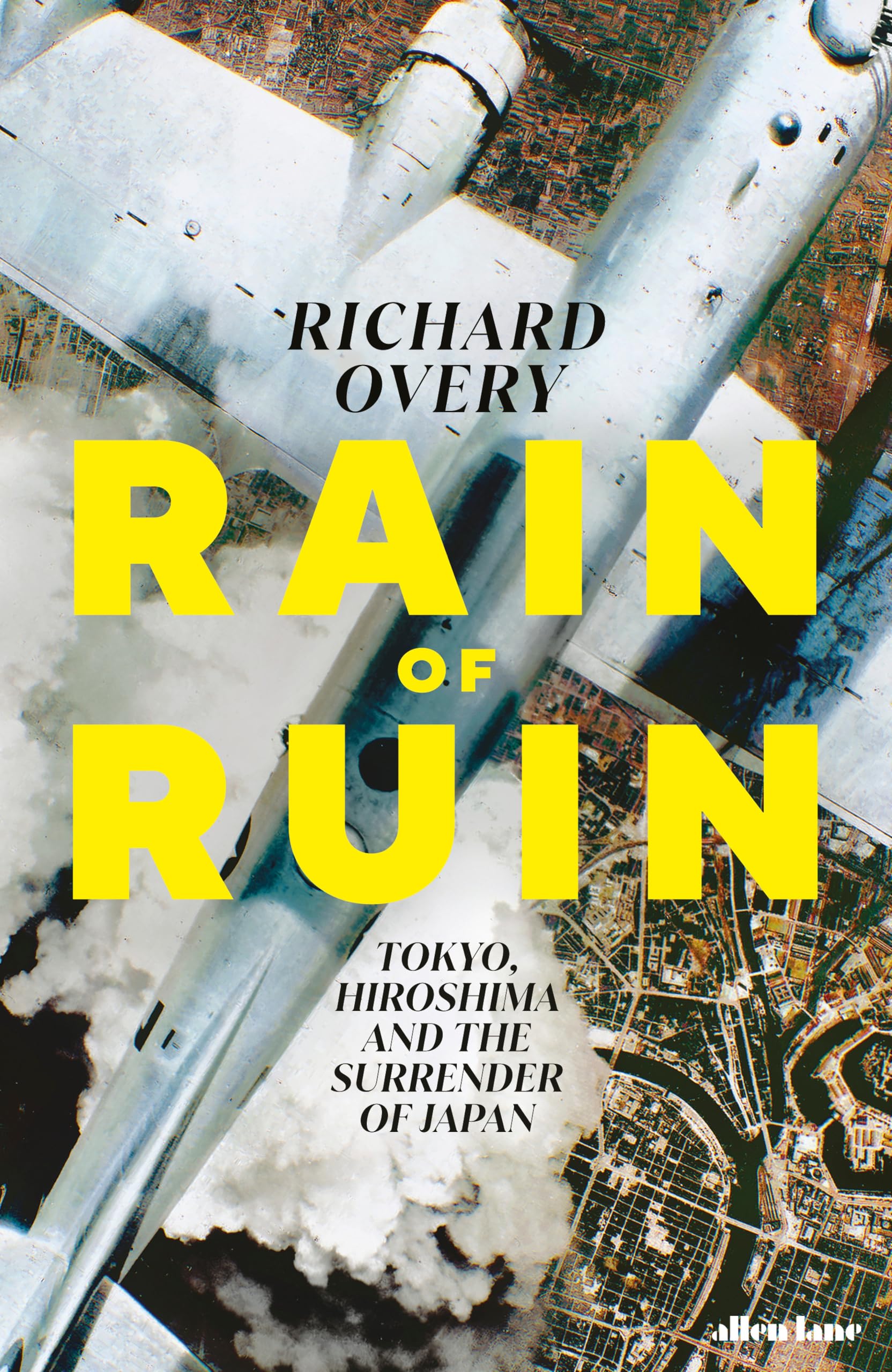
Rain of Ruin: Tokyo, Hiroshima and the Surrender of Japan by Richard Overy, 2025
The author explores the way in which the willingness to kill civilians and destroy cities became normalized in the course of a horrific war as moral concerns were blunted and scientists, airmen, and politicians followed a strategy of mass destruction they would never have endorsed before the war began. But it also engages with the new scholarship that shows how complex the effort to end the war was in Japan, where 'surrender' was entirely foreign to Japanese culture.

The Children of Hiroshima by Sadako Teiko Okuda with Pamela Bea Wilson Vergun ; with contributions by: Paul Joseph [and 5 others], 2025.
The incredible, heart-breaking and poignant diary of a woman searching for her niece and nephew in the aftermath of August 6, 1945.
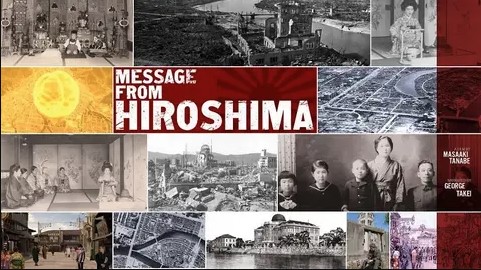
Message from Hiroshima via Kanopy
There are several films via Kanopy.
This film is directed by a survivor and vividly illustrates in words and pictures the immense suffering of that day. Survivors and former residents recount their lives before the bombing, accompanied by computer-generated recreations of buildings and people that could have existed.
Old footage, paintings, and lost photos of families intertwine with intimate narration by award-winning actor, George Takei, to revive the memory of the sights, sounds, and smells of a lost culture and people.

The Last Paper Crane by Kerry Drewerey, 2023
This young adult title features Japanese teenager, Mizuki, who is worried about her grandfather who is clearly desperately upset about something. He says that he has never got over something that happened in his past and gently Mizuki persuades him to tell her what it is. We are taken to 1945, Hiroshima, and Mizuki's grandfather as a teenage boy.

Fictionalised accounts can be a way of understanding historical events.

The Peace Memorial Park, once home to thousands of people and hundreds of businesses before the bombing is a place people visit today to honour the victims and reflect and honour peace.
Folded paper cranes are left in memory of a girl who died after effects of radiation exposure. It is among the most popular shapes in the art of origami, the Japanese art of paper folding.
You can follow step-by-step instructions to make your own Origami peace crane (Instructions originally published in Breathe Magazine.)